
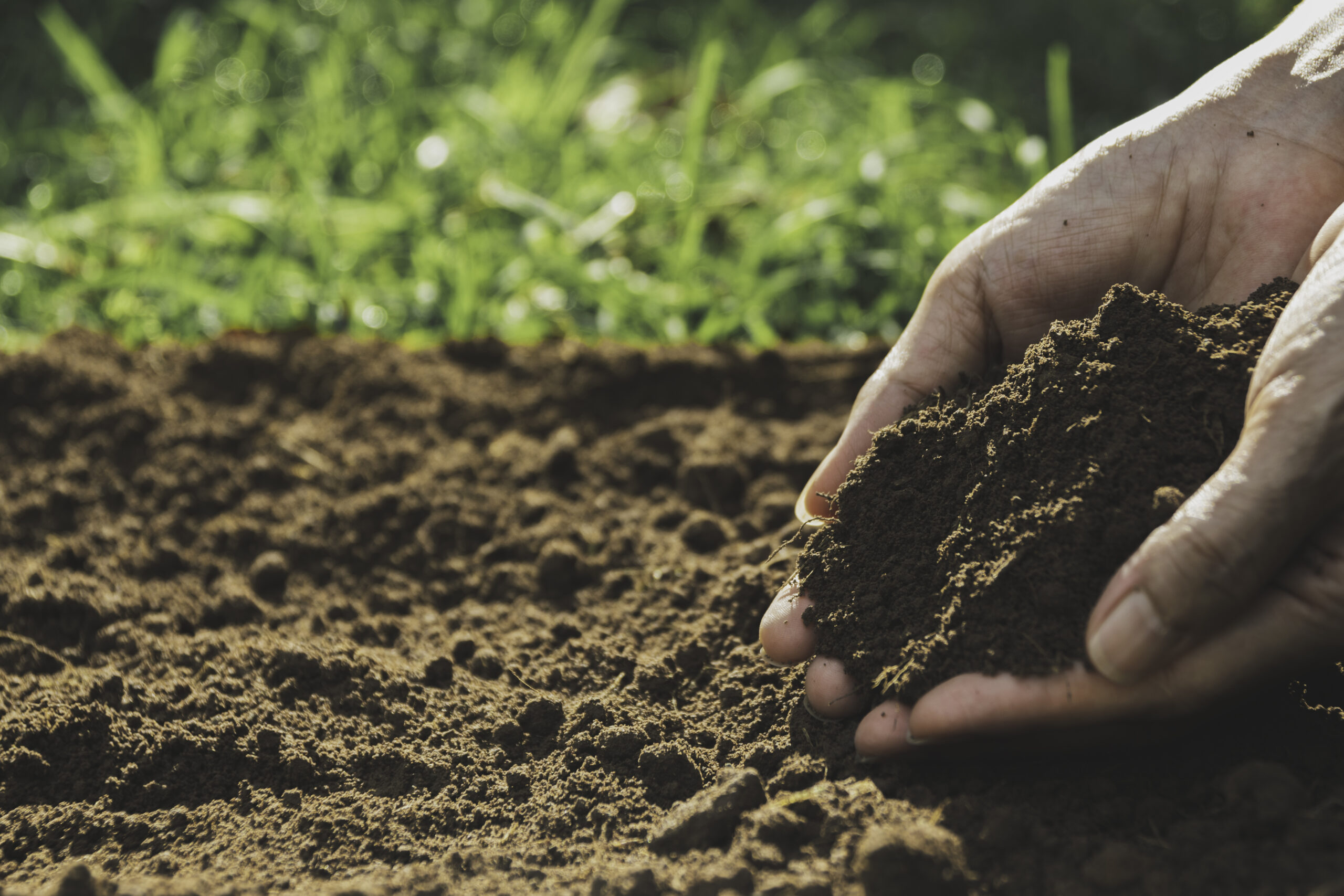
Soil looks simple. But a small clump contains an entire world teeming with life. Understanding microbial life in soil changes how people think about growing plants.
Microbial biomass carbon varies around a median of 206 micrograms per gram of soil.
The Invisible Workers Underground
Soil microorganisms, including bacteria, fungi, and archaea, drive essential soil functions such as nutrient cycling, organic matter decomposition, and disease suppression.
Bacteria often represent the most numerous group. They break down dead plant material and transform nutrients into forms plants can use. Some bacteria fix nitrogen from the air, turning it into fertilizer that plants need for growth.
Fungi contribute heavily to soil structure and the break down organic matter, significantly contributing to the conversion of carbon to stable organic matter. This makes fungi extremely efficient at building long-term soil health.
How Do Bacteria Help Plants Grow?
Bacteria do several important jobs in soil. As they decompose organic matter like leaf litter or dead roots, nutrients locked inside dead material are released and become available for plants to use.
Nitrogen-fixing bacteria work with plants in special partnerships. Bacteria like Rhizobium form symbiotic relationships that fix nitrogen, converting atmospheric nitrogen gas into usable ammonia that plants absorb through their roots. This free fertilizer helps plants grow strong without chemical additions.
Some bacteria dissolve minerals in soil. Bacteria such as Micrococcus, Enterobacter, and Pseudomonas play crucial roles in phosphorus solubilization, making phosphorus available for plant uptake. Plants need phosphorus for root development.
Understanding Fungi’s Critical Role
Fungi look different from bacteria; not only are they larger, but they have slightly different pigments. Fungal biomass is necessary for healthy soil—their size and structure give them special abilities.
Fungi break down tough plant materials like wood and tree bark. They produce special enzymes that dissolve lignin, the substance that makes wood hard. This decomposition creates rich, dark soil called humus that holds moisture and nutrients.
How Farming Practices Affect Soil Microbes
Fungi and bacteria keep each other in check through symbiotic relationships. Different plants prefer different ratios of fungi to bacteria. Annual crops may prefer lower fungal-to-bacteria ratios, while perennials prefer higher ratios. Forests have the highest ratios because trees depend heavily on fungal networks for nutrients.
According to a study by Lori et. al. in 2017, organic farming systems show 32 to 84 percent greater microbial biomass compared to conventional systems. Adding compost, manure, and cover crops feeds soil microbes and helps grow their populations.
Chemical fertilizers and pesticides harm soil microbial communities. Fungicides kill both harmful and helpful fungi. Without beneficial fungi, plants struggle to access nutrients and water. This forces farmers to add more chemicals, creating a cycle that damages soil health.
Understanding Soil as a Living System
Soil microbial biomass represents the foundation of productive agriculture and healthy gardens. When people protect and feed these microscopic workers, they foster plant-soil interactions and receive a stronger and healthier soil community.
Learning about soil microbes transforms how people garden and farm. Every decision—from whether to till, what to plant, and how to fertilize—affects billions of organisms working underground. Making choices that support microbial communities creates healthier soil, stronger plants, and better harvests that last for generations. Use the microBIOMETER® soil test to estimate your soil microbial biomass and ensure you have the healthiest soil possible.