
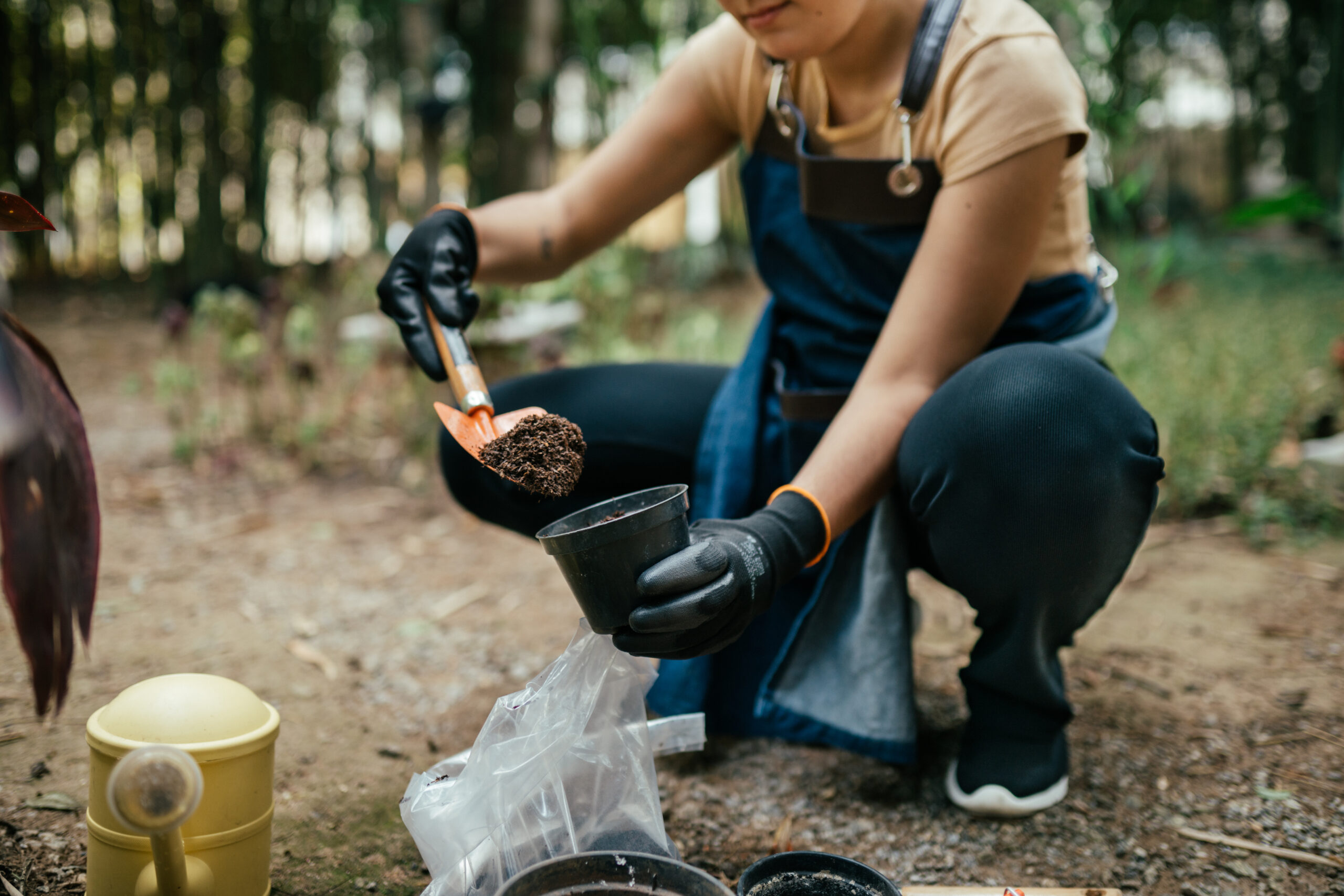
Getting your soil test results back feels exciting. You hold numbers that reveal what is happening beneath your feet. But staring at those numbers can feel confusing if you do not know what they mean or how to use them.
DIY soil testing has made understanding soil health accessible to everyone. Instead of sending samples to distant laboratories and waiting weeks, people can now test their soil on-site and get immediate answers. This guide will help you understand those results and use them to improve your land.
Importance of Testing for Microbial Biomass
Many people make changes to their soil based on guesswork. They add fertilizers, compost, or other amendments, hoping for improvement. Traditional soil tests measure chemical properties like nitrogen, phosphorus, and pH levels through various methods. These numbers provide useful information but miss the biological side of soil health. Living organisms in the soil drive nutrient cycling, water retention, and plant health.
Microbial biomass encompasses all the living organisms in your soil sample. This includes bacteria, fungi, and other microscopic creatures. Think of it as counting the population in an underground city.
Higher microbial biomass numbers usually indicate more biological activity, which can translate to better plant growth, reduced need for fertilizers, and improved resistance to drought. Lower numbers suggest the soil needs help building its living community.
Understanding the Fungal to Bacterial Ratio
The second key measurement is the fungal to bacterial ratio. Soil contains both types of organisms, but different plants prefer different balances. This ratio helps determine what type of ecosystem exists underground.
Bacteria thrive in disturbed soil and support annual plants like vegetables, grains, and grasses. These organisms multiply quickly and break down fresh organic matter rapidly. Gardens and agricultural fields typically show higher bacterial populations.
Fungi prefer undisturbed environments and support perennial plants like trees, shrubs, and native grasses. Fungal networks extend through soil, connecting plants and moving nutrients over long distances. Forest soils naturally contain more fungi than bacteria.
How to Read Your Numbers In Soil Testing?
Real-time soil testing provides immediate data, but understanding context makes those numbers meaningful. The same soil can show different results depending on season, moisture, and recent weather conditions.
Spring and fall typically show higher microbial activity than summer or winter. Warm, moist conditions help microorganisms thrive. Extreme heat or cold slows their activity. Compare results from the same season to track true changes.
What Good Results Look Like In Soil Testing
Healthy agricultural soil typically shows microbial biomass levels above 600 micrograms per gram. Garden soil often shows even higher numbers because gardeners regularly add compost and organic matter and gardens can be managed more frequently due to their size. Really excellent soil can reach 1000 or higher. These numbers indicate strong biological activity supporting plant growth. However, this is largely dependent several factors including your climate, region, soil type and texture.
Conclusion
Soil microbial biomass testing provides powerful insights when interpreted correctly. These numbers reveal the health of the underground ecosystem supporting all plant growth. Understanding and acting on this information creates healthier, more productive land that requires fewer external inputs while producing better results.